
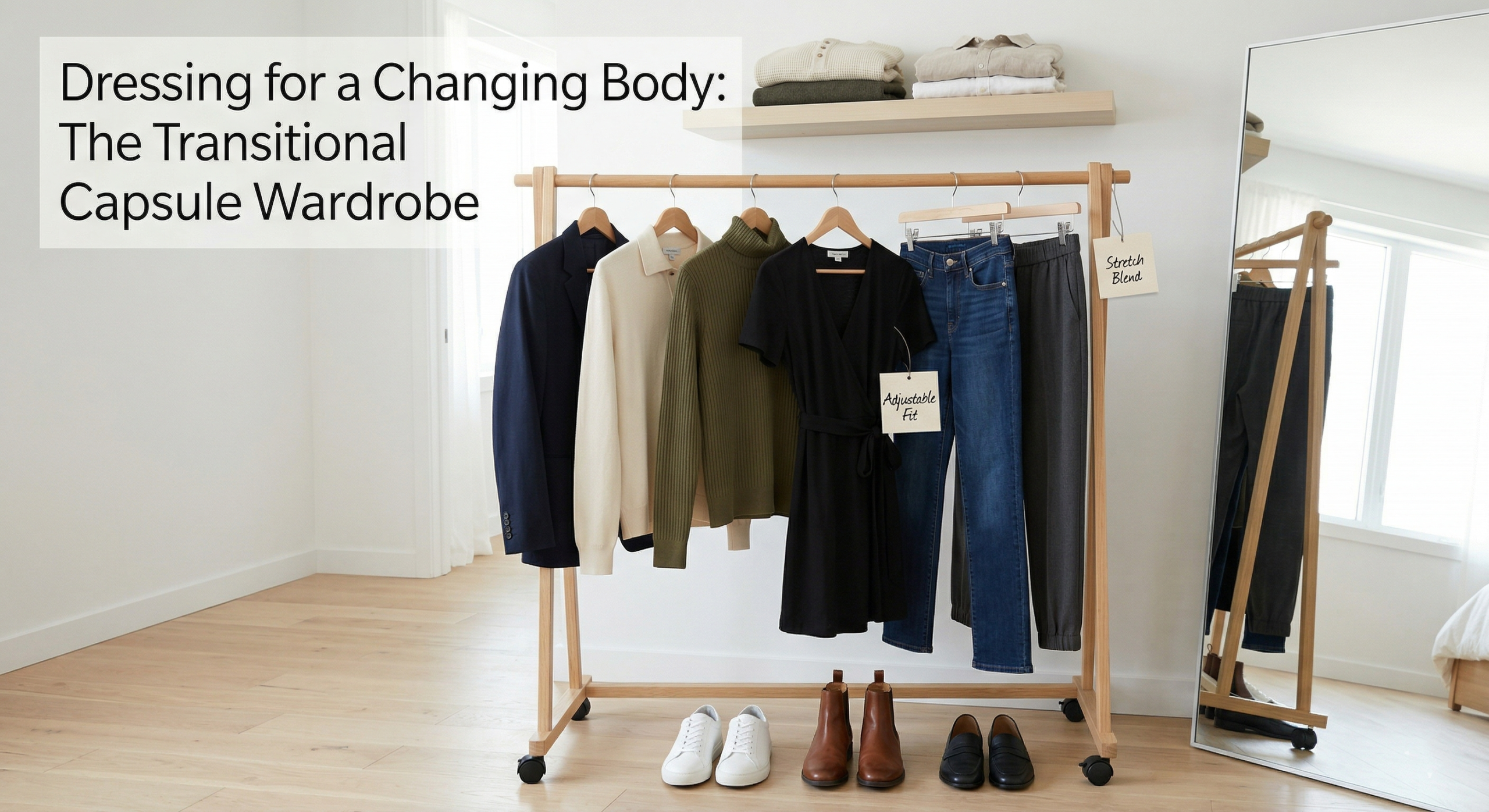
Building a Transitional Capsule Wardrobe is the ultimate life hack for anyone whose weight is currently doing the cha-cha. Let’s be completely honest for a second. We’ve all had those mornings where we stare into the abyss of our closets, wearing nothing but our underwear and a look of pure, unadulterated defeat.
Your body is changing—maybe you are currently underweight and swimming in your shirts, or maybe you are comfortably oversized and suddenly fighting a losing battle against a stubborn trouser button. It’s incredibly frustrating. You end up with a closet divided into three distinct, mocking zones: the “too big,” the “too small,” and the “maybe if I don’t breathe too heavily.”
The result? You spend a fortune on temporary clothes that look cheap, or you punish yourself by wearing ill-fitting garments that absolutely tank your confidence. It feels like an unwinnable game of sartorial roulette where the house always wins.
But take a deep breath, because there is a brilliant, stress-free solution. By embracing a flexible, strategically chosen collection of clothes, you can bypass this entire headache. Today, we are going to dive deep into how a transitional wardrobe can save your sanity, your wallet, and your personal style, no matter what the scale says.
Table of Contents
What Actually Is a Transitional Capsule Wardrobe?
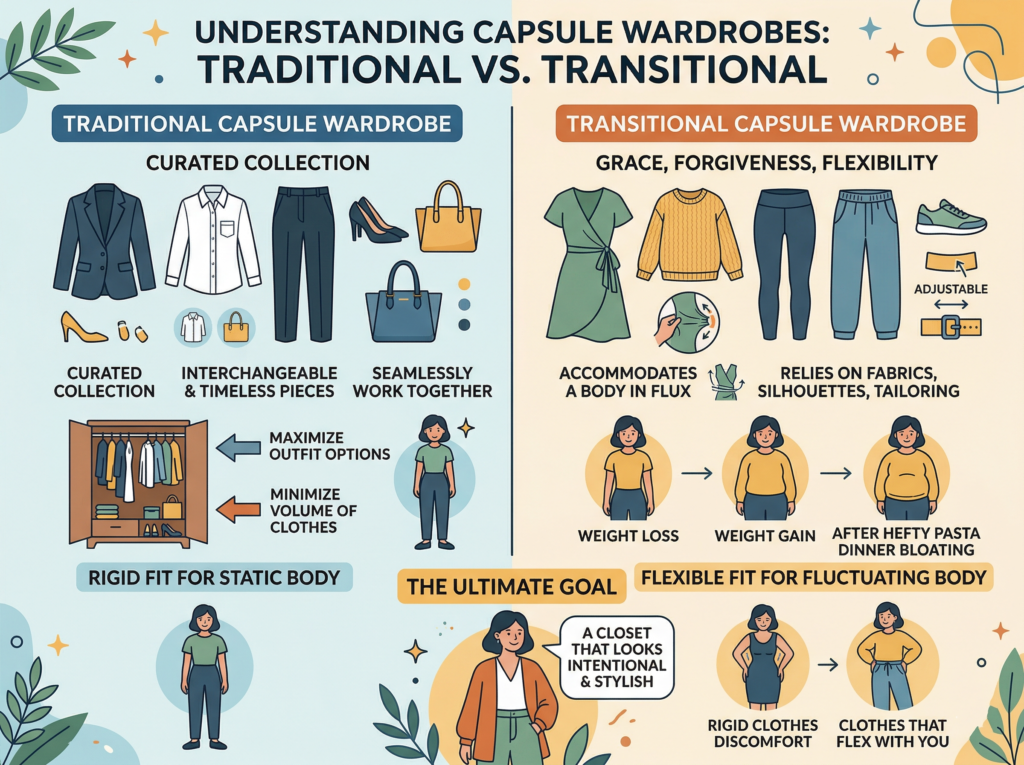
A traditional capsule wardrobe is a curated collection of interchangeable, timeless pieces that all work seamlessly together. It is designed to maximize your outfit options while minimizing the sheer volume of clothes you own.
A transitional version takes this minimalist concept and injects it with a heavy dose of grace, forgiveness, and flexibility. It relies on specific fabrics, clever silhouettes, and strategic tailoring to accommodate a body in flux.
The ultimate goal is simple: to ensure you have a closet full of clothes that look intentional and stylish, whether you go up a size, drop a size, or simply bloat after a hefty pasta dinner. You are buying clothes that flex with you, not against you.
Why Dressing for a Changing Body Feels Like a Nightmare (And How to Fix It)
Dressing shouldn’t feel like a punishment, but when your body is shifting, your old reliable outfits suddenly become your biggest enemies. Let’s break down the two most common struggles and why standard retail clothing fails us.
The “Oversized” Dilemma
If you are carrying extra weight, the standard fashion industry usually tells you to hide. Retailers love to push stiff, boxy fabrics that do absolutely nothing to flatter your shape.
You find yourself constantly tugging at hemlines, dealing with waistbands that roll down, and praying your thighs don’t wear a hole through your favorite jeans. The fix isn’t to buy larger, baggier clothes. The fix is finding structured pieces with hidden elasticity that drape beautifully over your curves without clinging to them like static cling.
The “Underweight” Struggle
On the flip side, if you are underweight or actively losing mass, your clothes quickly turn into potato sacks. The shoulders of your shirts droop down to your elbows, and your pants bunch up comically under a tightly cinched belt.
People often think being smaller makes shopping easier, but finding clothes that don’t make you look like a kid playing dress-up in your parents’ closet is a massive challenge. The fix here is to master the art of intentional volume and strategic layering. You need pieces that create structure and shape where there currently is none.
The Golden Rules of a Transitional Capsule Wardrobe
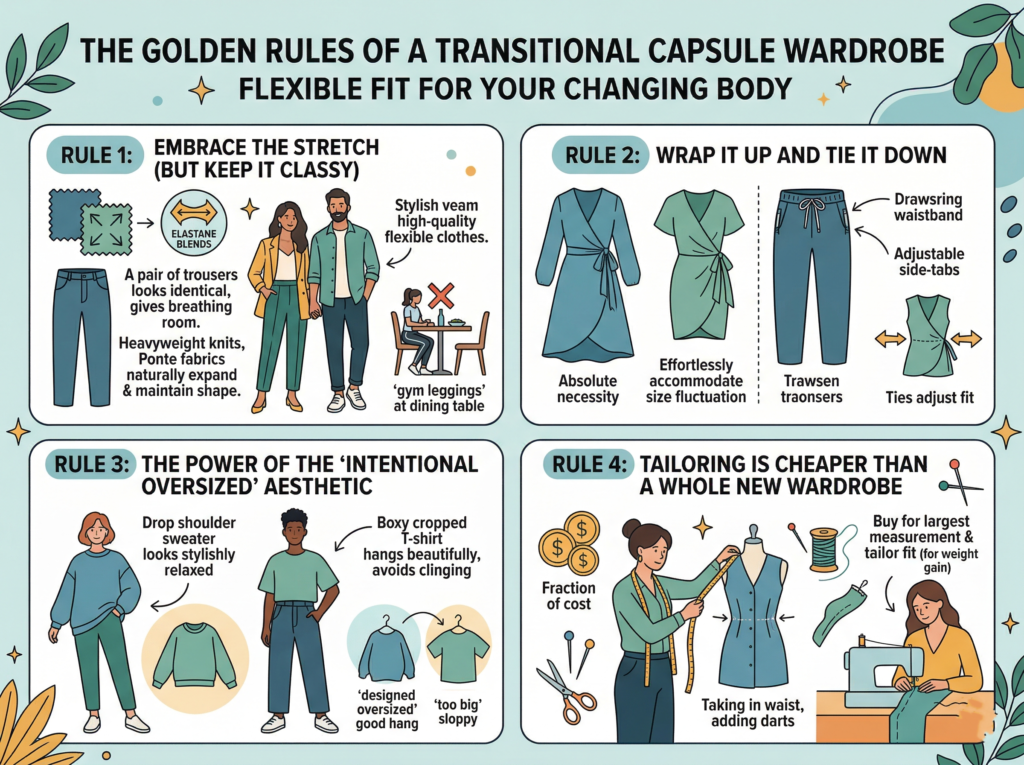
Before we start adding items to your shopping cart, we need to establish the ground rules. If you follow these four commandments of Dressing a Changing Body, you will never look sloppy again.
Rule 1: Embrace the Stretch (But Keep It Classy)
We are not talking about wearing your gym leggings to a dinner party. We are talking about high-quality fabrics that have a small percentage of elastane or spandex woven into them.
- Look for blends: A pair of trousers with 2% elastane looks identical to rigid cotton but gives you a crucial inch of breathing room.
- Prioritize knits: Heavyweight knits, Ponte fabrics, and ribbed materials naturally expand and contract while maintaining their sophisticated shape.
Rule 2: Wrap It Up and Tie It Down
For women, the wrap dress or wrap top is the undisputed holy grail of the transitional closet. For men, drawstring waistbands and adjustable side-tabs are your secret weapons.
Clothes that physically tie or adjust to your body’s current dimensions are an absolute necessity. A true wrap dress can effortlessly accommodate a two-size fluctuation simply by adjusting where you tie the knot. It is practically magic.
Rule 3: The Power of the “Intentional Oversized” Aesthetic
There is a massive difference between wearing clothes that are simply too big for you and wearing clothes that are designed to be oversized.
- Drop shoulders: A sweater with a dropped shoulder seam looks stylishly relaxed whether your shoulders are broad or narrow.
- Boxy cuts: A deliberately boxy, slightly cropped t-shirt hangs beautifully on an underweight frame and avoids clinging to the midsection of an oversized frame.
Rule 4: Tailoring Is Cheaper Than a Whole New Wardrobe
If you find a piece you absolutely love but it’s starting to look a bit sloppy, take it to a tailor. Taking in a waist or adding darts to a shirt costs a fraction of what a brand new garment would.
For folks gaining weight, buy for your largest measurement (usually the hips, belly, or chest) and have the tailor take in the rest. It is the only guaranteed way to get a flawless fit.
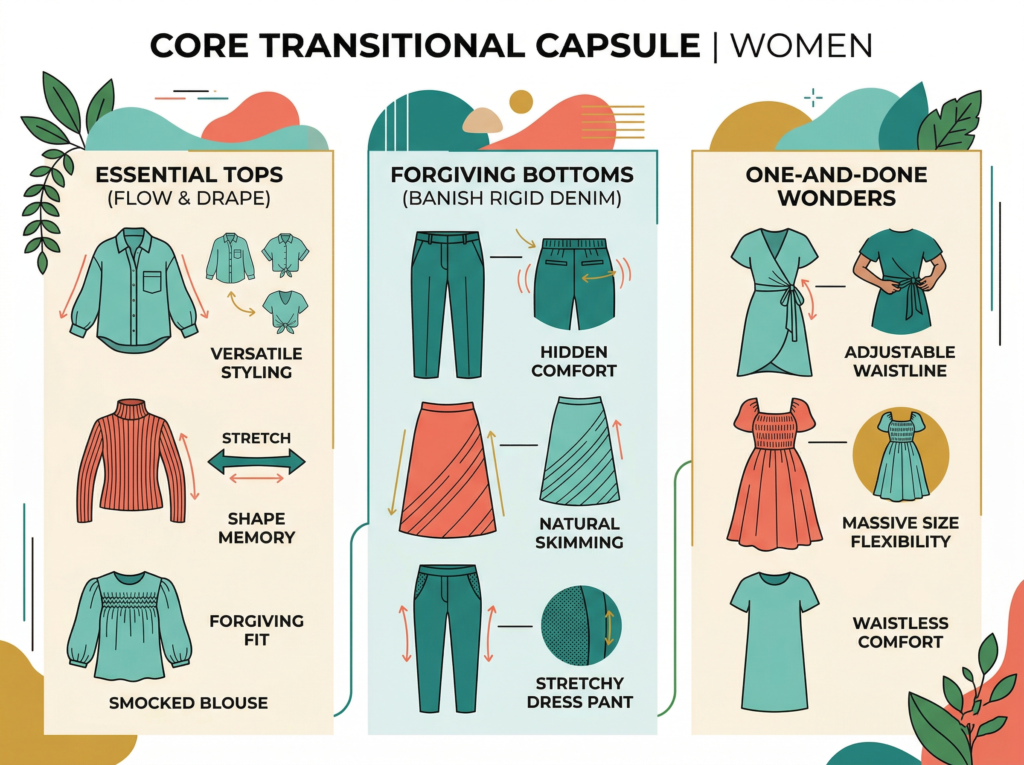
Building Your Core Transitional Capsule: Women
Let’s get specific. Here are the exact pieces women need to build a foolproof, size-fluctuating wardrobe that looks incredibly chic.
Essential Tops for Fluctuating Sizes
Forget stiff, tailored button-downs that threaten to pop open at the chest. Your upper-body capsule needs flow and drape.
- The Oversized Linen Button-Down: Wear it loose over a tank top, tuck it into a waistband, or tie it at the waist. It adds instant polish without any restriction.


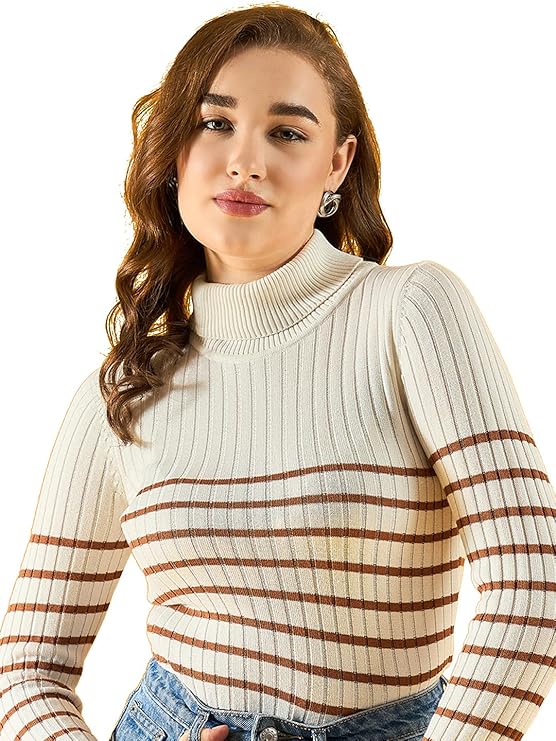
- The Ribbed Knit Turtleneck or Crewneck: Ribbed knits have incredible “memory”—they stretch over curves but snap back to their original shape, making them perfect for both weight gain and loss.

- The Peplum or Smocked Blouse: Smocking (that stretchy, gathered stitching) across the back or bust is incredibly forgiving, while a peplum hem beautifully skims over a changing midsection.


Forgiving Bottoms That Actually Look Good
Pants are usually the first thing to stop fitting when your body changes. We are going to permanently banish rigid denim from this capsule.
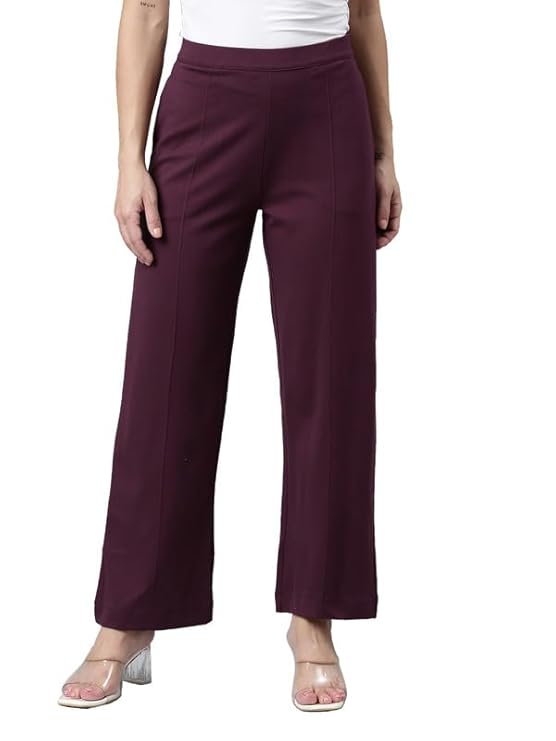
- The Elastic-Back Trouser: From the front, they look like crisp, professional work pants. From the back, the hidden elastic waistband gives you the comfort of sweatpants. This is the ultimate transitional hack.


- The Bias-Cut Midi Skirt: Fabric cut “on the bias” stretches diagonally, meaning the skirt will gracefully skim your hips and naturally adjust to your size.


- The Ponte Knit Pant: Ponte is a thick, double-knit fabric that holds you in, smooths you out, and stretches immensely. It looks like a dress pant but feels like a legging.

One-and-Done Wonders
Dresses and jumpsuits are the easiest way to look put together when you simply cannot be bothered to match a top and a bottom.
- The True Wrap Dress: As mentioned, this adjusts entirely to your current waistline.


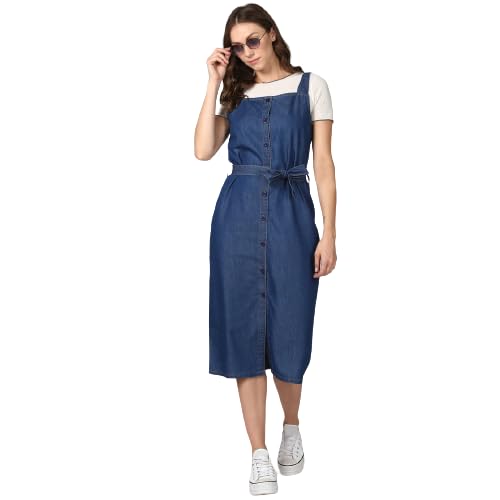
- The Smocked Midi Dress: A dress with a fully smocked bodice will comfortably fit you through massive size changes while still providing excellent bust support.


- The Shift Dress: Straight up and down, a shift dress doesn’t rely on a defined waistline to look good.

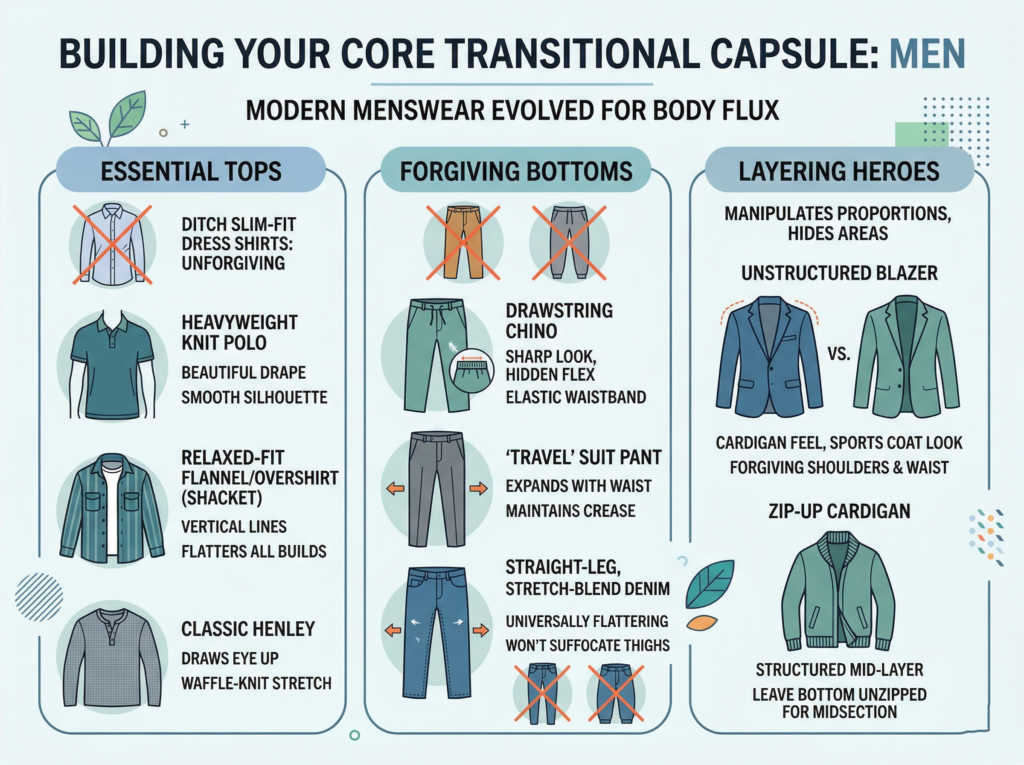
Building Your Core Transitional Capsule: Men
Men often have a harder time with transitional dressing because menswear is traditionally very structured. However, modern menswear has evolved perfectly for this.
Essential Tops for Fluctuating Sizes
Ditch the slim-fit dress shirts. They are unforgiving and immediately highlight weight changes.
- The Heavyweight Knit Polo: Unlike thin cotton polos that cling to the chest and stomach, a heavyweight knit drapes beautifully. It creates a solid silhouette for underweight men and skims smoothly over oversized frames.


- The Relaxed-Fit Flannel or Overshirt: Also known as a “shacket.” Worn open over a t-shirt, it creates vertical lines that flatter larger builds and adds much-needed bulk for slimmer frames.


- The Classic Henley: The buttoned neckline draws the eye up to the face. The waffle-knit texture provides excellent stretch and recovery.


Forgiving Bottoms That Actually Look Good
Men’s pants have undergone a comfort revolution. You no longer have to choose between rigid chinos and giving up entirely in sweatpants.
- The Drawstring Chino: These are everywhere now. They look exactly like standard, sharp chinos, but they feature a hidden internal drawstring and an elasticated waistband.


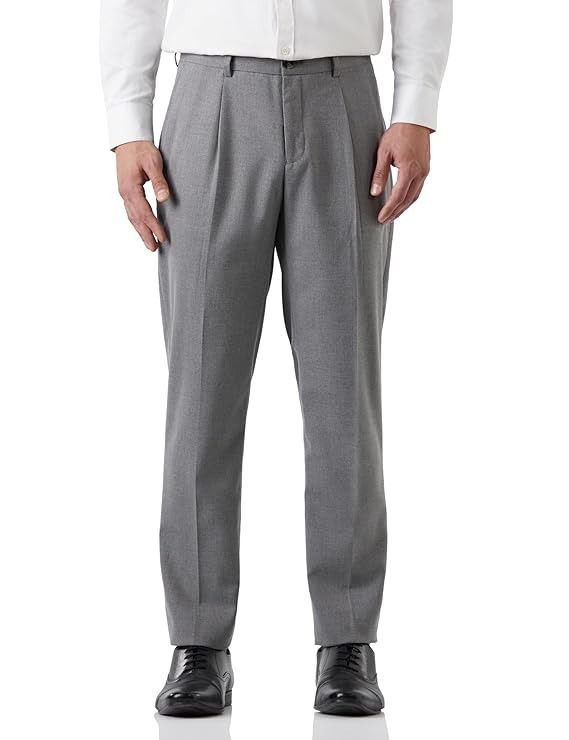
- The “Travel” Suit Pant: Many brands now make dress pants from technical fabrics with four-way stretch. They will expand with your waist after a big lunch without losing their crease.

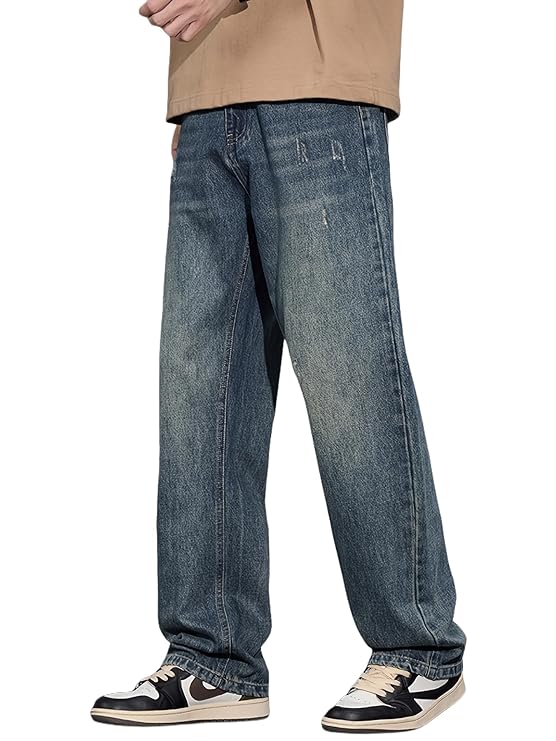
- Straight-Leg, Stretch-Blend Denim: Avoid skinny jeans and wide-leg baggy jeans. A classic straight leg with 2% elastane is universally flattering and won’t suffocate your thighs.

Layering Heroes: The Secret Sauce
For men, layering is the key to manipulating proportions and hiding areas you aren’t currently confident about.
- The Unstructured Blazer: Traditional blazers have stiff shoulder pads and rigid canvases. An unstructured blazer feels like a cardigan but looks like a sports coat. It is wildly forgiving on changing shoulder widths and waistlines.


- The Zip-Up Cardigan: A thick, structured cardigan acts as an excellent mid-layer. Leave it unzipped at the bottom to accommodate a larger midsection effortlessly.


Accessories: The MVPs of the Changing Body
When your clothing capsule is mostly made up of solid, neutral, flexible basics, your accessories become the stars of the show. They always fit, no matter what the scale says.
For both men and women, accessories are how you inject personality into a functional wardrobe.
- High-Quality Footwear: Shoes rarely change size. Invest in a brilliant pair of leather boots, pristine white sneakers, or statement loafers. They instantly elevate a simple stretchy pant and t-shirt combo.
- Belts: For women, a great waist belt can give shape to a shift dress when you want to show off a newly defined waist. For men, braided leather belts or woven stretch belts are far superior to standard belts because you aren’t limited to pre-punched holes.
- Scarves and Hats: A brightly colored scarf draws the eye upwards, focusing attention on your face rather than a changing body shape.
The Mindset Shift: Dressing the Body You Have Today
Building a brilliant transitional capsule wardrobe is only 50% about the clothes; the other 50% is entirely mental. You have to stop dressing for the body you had a year ago, and stop buying clothes for the body you hope to have six months from now.
Stop holding onto “someday” clothes. Keeping a pair of jeans that are two sizes too small hanging front-and-center in your closet is not “motivation”—it is a daily, visual reprimand. Pack them away in a box under the bed.
Give yourself permission to look good right now, exactly as you are. A transitional wardrobe is an act of self-care. It ensures that no matter what your body is doing, you have a curated selection of beautiful, comfortable clothes ready to greet you in the morning. When you wear clothes that fit your current form comfortably, your posture improves, your confidence skyrockets, and your energy completely shifts.
Conclusion
Navigating a Changing Body doesn’t mean you have to surrender to a life of sloppy sweatpants or suffocatingly tight jeans. By building a thoughtful Transitional Capsule Wardrobe, you take back control of your mornings and your personal style.
Remember the golden rules: prioritize fabrics with high-quality stretch, embrace clever silhouettes like wrap styles and drop-shoulders, and lean into the power of excellent tailoring and high-impact accessories. Whether you are currently oversized, underweight, or somewhere in the messy middle, you deserve a closet that works for you, not against you.
I want to hear from you! What is the one piece of clothing in your closet that has successfully survived your body’s changes? Drop your favorite transitional fashion hacks in the comments below!
Affiliate Disclaimer: I may earn a tiny commission from affiliate links here, costing you nothing extra. Thanks for the support!
AI Image Disclaimer: The styling advice is 100% human, but the models in these images are created with AI magic!
Latest Posts on outfit anatomy >
- Transitional Capsule Wardrobe: 7 Powerful Secrets for the Perfect Fit
- The Ultimate Guide to Building a Minimalist Capsule Wardrobe in 2026
- Quiet Luxury on a Budget: 7 High-Street Outfit Formulas
- I Built a 15-Piece Capsule Wardrobe That Creates 50+ Everyday Outfits s
- The “3-Piece Rule”: How to Make Jeans and T-Shirt Outfits Look Instantly Expensive