
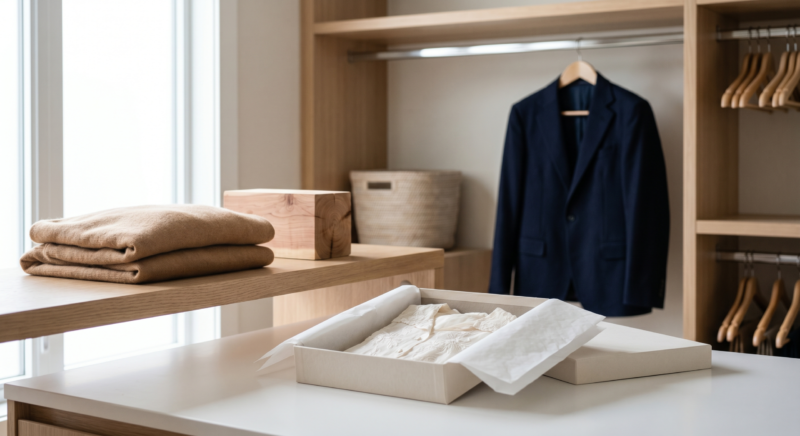
Embracing a Slow Fashion mindset means fundamentally changing how we value, wear, and protect our clothing. In a world that is constantly pushing us toward the next micro-trend and encouraging hyper-consumption, deciding to invest in high-quality, timeless garments is a radical and beautiful act. However, the journey doesn’t end at the checkout counter. You can spend weeks curating the perfect minimalist capsule wardrobe, sourcing the finest materials, and investing your hard-earned money into heritage brands, but if you do not know how to store these pieces properly, that investment will quickly deteriorate.
Think about it: the garments you own spend far more time hanging in your closet or folded in a drawer than they do on your body. The environment they live in during those dormant weeks and months dictates their lifespan. A poorly ventilated closet, a cheap wire hanger, or the wrong type of storage box can completely ruin the structural integrity of a premium fabric.
Welcome to the ultimate masterclass on preserving your wardrobe. In this comprehensive, 2000+ word guide, we are going to dive deep into the exact science and daily habits required to keep your luxury garments looking flawless for decades. From beating the dreaded closet moth to understanding the pH levels of your storage boxes, we are covering it all. Pour yourself a cup of coffee, and let’s learn how to treat your clothing with the respect it deserves.

Sustainable Wardrobe Care: The Foundation of Slow Fashion
Before we can even talk about long-term storage boxes or seasonal packing, we must address your daily habits. Sustainable wardrobe care is the absolute bedrock of maintaining a high-end collection. The biggest mistake consumers make is treating their premium, natural fibers the same way they treat synthetic fast-fashion blends. Synthetic clothes (like polyester) can withstand aggressive, hot-water machine washing and high-heat tumble drying. Natural, slow-fashion fabrics will be destroyed by it.
The “Wash Less, Air More” Philosophy
One of the most impactful things you can do for your clothes is to simply stop washing them so frequently. Every time a garment goes through a washing machine, the fibers undergo immense stress, friction, and chemical breakdown. For structured pieces like blazers, trousers, and heavy knits, a full wash should be a rare event.
Instead, adopt the habit of airing your clothes out. When you take off a piece of clothing at the end of the day, do not immediately throw it into a dark, compressed laundry hamper, and conversely, do not immediately shove it back into a crowded closet. Hang the garment on a valet rod or a hook in a well-ventilated room (or even near an open window) for 12 to 24 hours. This allows the natural fibers to release trapped body heat, evaporate any subtle moisture or perspiration, and shed ambient odors.
The Art of Fabric Brushing
Another lost art of sustainable wardrobe care is the use of a garment brush. In the early 20th century, a high-quality clothing brush was a staple in every well-appointed bedroom. A brush with natural boar bristles works wonders on suits, heavy coats, and dense knits. Brushing your garments after wear removes surface dust, dried dirt, and environmental pollutants that can embed themselves into the fibers and cause slow degradation over time. It also realigns the fibers, keeping the fabric looking fresh and polished without a trip to the dry cleaner.
Storing Silk and Wool: The Crown Jewels of Slow Fashion
When we talk about premium fabrics, we are usually talking about the proteins of the textile world: silk and wool (which includes cashmere, merino, and alpaca). These fabrics are luxuriously soft, incredibly durable if treated right, and famously finicky when it comes to storage. Storing silk and wool requires a very specific protocol because these natural protein fibers are the absolute favorite food of clothes moths and carpet beetles.
The Golden Rule: Never Store Dirty
Before packing away your winter wools or your summer silks, they must be meticulously cleaned. Moths are not actually attracted to the fabric itself; they are attracted to the microscopic residues of skin cells, body oils, perfume, and food splatters left on the garments. Even a single drop of white wine on a silk blouse, totally invisible to the naked eye, acts as a beacon for pests. Always wash or professionally dry-clean these pieces immediately before they go into long-term seasonal storage.
Mastering Wool and Cashmere Storage
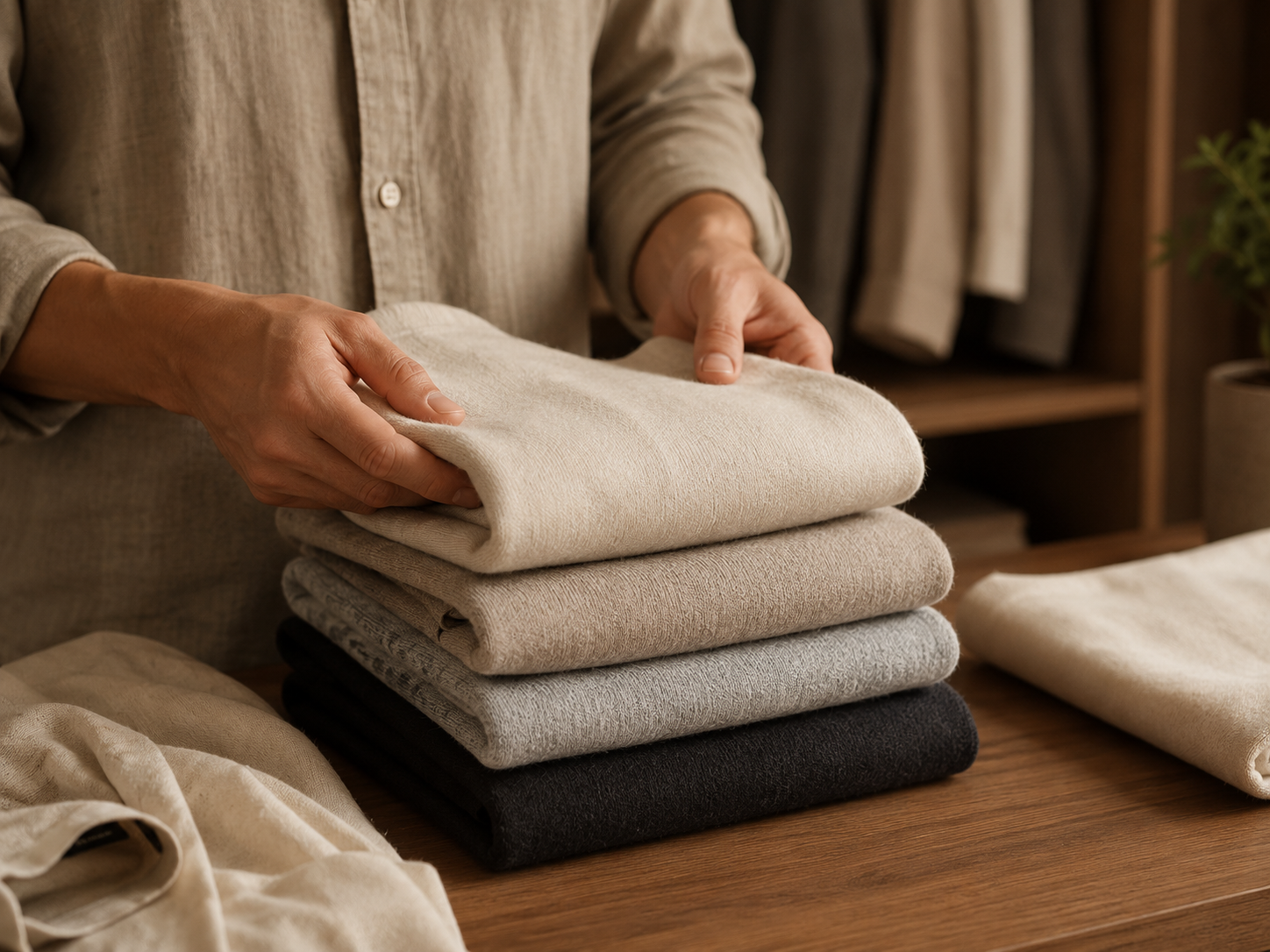
Never, under any circumstances, hang your heavy wool or cashmere sweaters. Gravity is the enemy of knitwear. Leaving a heavy knit on a hanger for six months will cause the shoulders to stretch out, creating permanent, unsightly “hanger bumps” and distorting the garment’s entire shape.
- The Folding Technique: Fold your heavy knits gently, placing the heaviest items at the bottom of the stack and the lightest, most delicate cashmeres at the top to prevent crushing the fibers.
- Breathable Storage: Plastic storage bins are incredibly popular, but they are terrible for natural fibers. Plastic traps moisture, which can lead to mildew and a musty smell. Instead, invest in breathable, 100% cotton canvas storage boxes or zip-up cotton garment bags.
- Natural Deterrents: Skip the toxic chemical mothballs that leave your clothes smelling like a grandmother’s attic. Use natural cedar wood blocks or lavender sachets. Remember that cedar dries out over time, so you must lightly sand the blocks every season to release the protective oils.
Upgrade Your Storage Protection
Protect your luxurious knits naturally. Say goodbye to chemical mothballs and keep your wardrobe smelling fresh and pest-free.
Shop Premium Cedar Storage BlocksPreserving Your Silks
Silk is incredibly strong but highly susceptible to light and friction damage. When storing silk and wool, silk needs to be treated with a softer touch. Sharp creases can actually break silk fibers over time. When folding silk slips, skirts, or blouses for seasonal storage, pad the folds with acid-free tissue paper. This prevents the fabric from forming a hard, permanent crease. Furthermore, silk must be stored in absolute darkness. Prolonged exposure to sunlight or even harsh artificial closet lighting will cause the rich dyes to fade and the fabric to become brittle.

Masterclass in Vintage Clothing Storage for Slow Fashion Lovers
A significant pillar of the eco-conscious movement is sourcing pre-loved and historical garments. However, vintage clothing storage requires an elevated level of care because you are dealing with fabrics that have already aged and are inherently more fragile. Whether you have inherited a stunning 1960s tailored coat, scored a pristine 1990s designer dress, or are holding onto your own bridal pieces to pass down, archival-level care is non-negotiable.
The Acid-Free Environment
The biggest enemy of vintage clothing isn’t moths—it is acid. Standard cardboard boxes, wooden drawers, and regular tissue paper all contain acidic compounds (like lignin) that off-gas over time. This acid transfers to your vintage textiles, causing a chemical reaction known as “oxidization,” which results in irreversible yellowing and the breakdown of the fabric into dust.
To execute proper vintage clothing storage, you must emulate a museum’s archives. Purchase archival-quality, acid-free storage boxes. Before placing the garment in the box, wrap it entirely in unbuffered acid-free tissue paper (use unbuffered for animal fibers like wool/silk, and buffered for plant fibers like cotton/linen). Pad out the sleeves and the bodice with rolled-up tissue paper to help the garment maintain its 3D shape while lying flat.
Museum-Grade Protection
Do not let standard cardboard ruin your priceless heirlooms. Invest in the same materials used by textile conservators.
Shop Acid-Free Tissue PaperClimate Control is Critical
Vintage fabrics are incredibly sensitive to fluctuations in temperature and humidity. Storing a vintage dress in a hot, uninsulated attic during the summer, or a damp basement during the winter, is a death sentence for the garment. High heat causes elastic and synthetic threads to experience “dry rot,” where they snap and crumble upon being touched. High humidity invites mold and mildew spores to permanently stain the fabric.
Your vintage items should ideally be stored in the main living space of your home, where the temperature and humidity are stable year-round. The top shelf of a bedroom closet or under a bed in a climate-controlled room is vastly superior to a garage or attic. For those who want to dive deeper into the fascinating world of textile preservation, we highly recommend reading the expert guidelines provided by the Smithsonian’s Museum Conservation Institute, which offers brilliant, actionable advice for home archivists.
Daily Hardware: The Unsung Heroes of Garment Care
You have mastered seasonal storage and vintage preservation, but what about the clothes you are wearing right now? The hardware inside your closet plays a massive role in extending the life of your wardrobe.
The Hanger Upgrade
Throw away your thin wire dry-cleaning hangers immediately. Wire hangers provide zero support, causing the shoulders of your blouses, blazers, and dresses to warp and poke out. They can also rust, transferring permanent orange stains to your light-colored garments.
For heavy tailoring like winter coats and structured blazers, use wide-shouldered wooden suit hangers. These mimic the shape of human shoulders, supporting the garment’s structure. For delicate silks, blouses, and dresses, slim velvet hangers are the perfect solution. They are gentle on the fabric, their non-slip surface prevents your clothes from falling onto the dusty floor, and they create a visually stunning, uniform, minimalist aesthetic in your closet.
Spatial Awareness and Friction
One of the core tenets of having a curated, minimalist wardrobe is allowing your clothes to breathe. If you have to forcefully shove a hanger onto your closet rod to make it fit, your closet is too full. When clothes are packed too tightly, they constantly rub against one another. This constant friction leads to pilling (especially on knits and soft wools) and premature wear on the edges of collars and cuffs. Ensure there is at least a quarter-inch of space between every garment on your hanging rail to allow for air circulation and easy retrieval.
Final Thoughts on Protecting Your Investments
Transitioning away from a hyper-consumptive lifestyle is a profoundly rewarding experience. When you buy less, you can afford to buy better. But buying better is only half the equation; caring better is where the true magic happens. By implementing these strategies—from proper folding techniques to archival-grade preservation—you ensure that your beautiful garments won’t just last a single season, but will remain vibrant, structurally sound, and stunning for years, if not generations, to come.
Treat your wardrobe like the valuable asset portfolio that it is. With a little bit of mindfulness, some cedar blocks, and the right hangers, your closet will transform into a curated, serene space that honors the artistry of the fabrics inside it.
One Comment
[…] The “Slow Fashion” Storage Guide: Extending the Life of Premium FabricsThe 15-Minute Sunday Closet Reset for Busy ManagersThe Ultimate Guide to Building a Men’s Workwear Capsule Wardrobe From Scratch (2026 Edition)Transitional Capsule Wardrobe : 7 Powerful Secrets for the Perfect FitThe Ultimate Guide to Building a Minimalist Capsule Wardrobe in 2026 […]